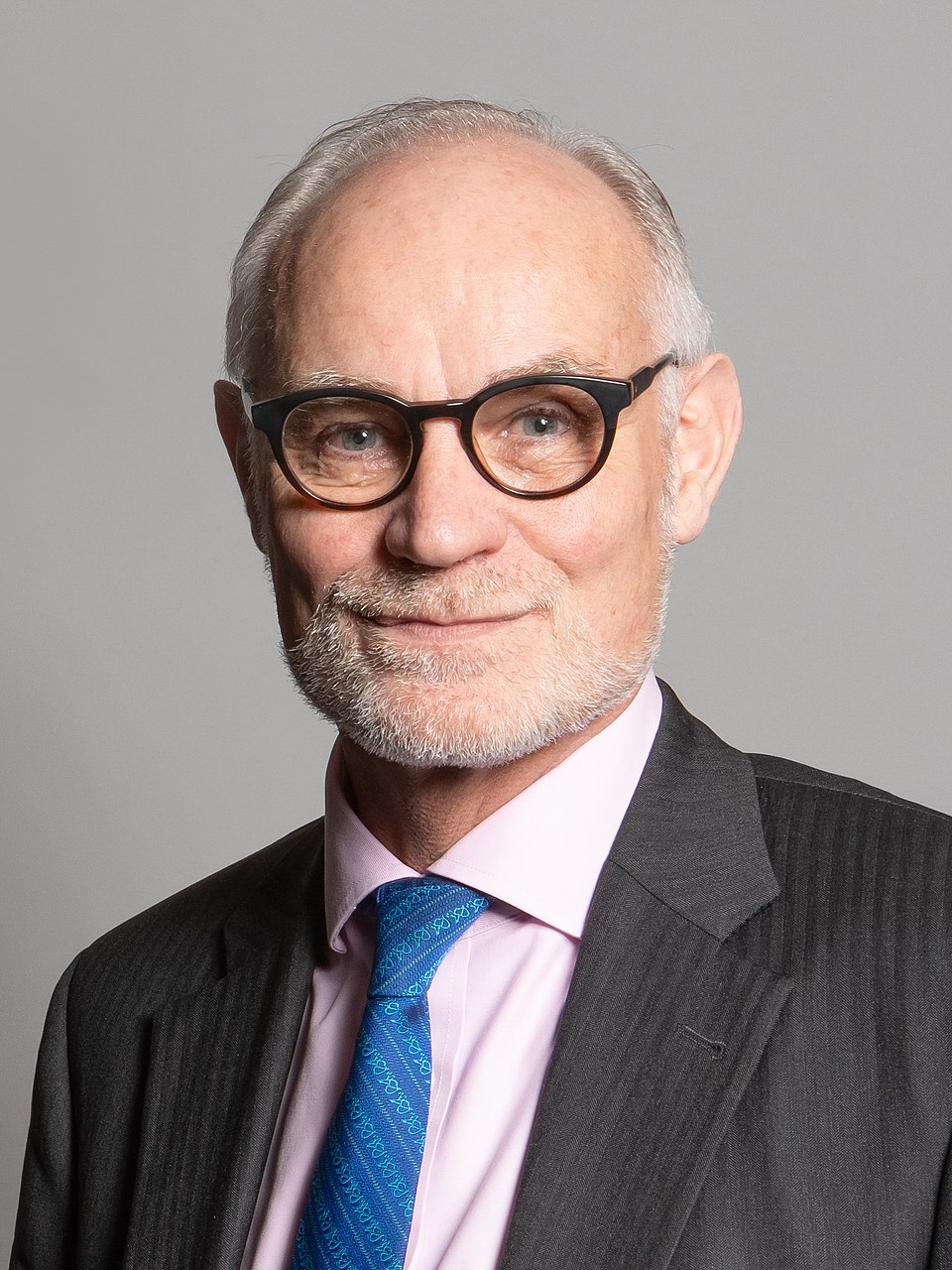
The public life of a politician is often a delicate balance between policy, persona, and privacy. For Crispin Blunt, a prominent figure in the Conservative Party for decades, this balance has been tested repeatedly through significant personal revelations and headline-grabbing controversies. From his courageous announcement coming out as gay to facing serious criminal allegations, Blunt's journey offers a unique lens into the evolving landscape of British politics and public scrutiny.
The Initial Revelation: A Conservative Minister Comes Out
In 2010, the political world and British public were met with a significant personal announcement from then-Prisons Minister, Crispin Blunt. In a move that demonstrated considerable courage and honesty, Blunt publicly disclosed that he was gay and had separated from his wife, Victoria. This revelation marked a pivotal moment in his career and for LGBTQ+ representation within the traditionally conservative political sphere.
At 50 years old and a father of two, Mr. Blunt's statement acknowledged the personal difficulty for his family, expressing hope for their "understanding and support" during what he described as a challenging period. His decision to "come to terms with his homosexuality" was shared through an official statement, emphasizing the private nature of the matter while recognizing the public interest given his ministerial role. This disclosure resonated widely, offering an example of a senior politician embracing his authentic self in an environment that had, for many years, been less openly accepting of LGBTQ+ individuals.
Navigating Personal and Public Life
Blunt's public announcement, while deeply personal, immediately became a topic of discussion within political circles and beyond. As an MP for Reigate since 1997 and a junior minister in the Department of Justice, his personal life inevitably intersected with his public duties. The immediate reaction from his constituency party, as reported by the BBC, acknowledged the "shock" but also praised his "courage," deeming it "really a private matter for him." This sentiment reflected a growing societal acceptance, even within conservative strongholds, for individuals to live openly and honestly.
At a time when visible LGBTQ+ figures in high office were still less common than today, Crispin Blunt's revelation helped to normalise the presence of gay politicians in positions of power. It underscored the fact that one's sexual orientation has no bearing on their capability to serve the public, govern, or contribute meaningfully to national life. His request for privacy for his family highlighted the immense pressure public figures face when their private lives become subjects of widespread public discourse, emphasizing the need for empathy and respect during such transitions.
Political Career and Controversies Beyond Personal Life
Crispin Blunt's career in Parliament predates his coming out, stretching back to 1997. Before entering politics, he served for 11 years as an army officer, with postings in Cyprus, Germany, and the UK, providing him with a robust background in service and discipline. During the Tories' time in opposition from 1997 to 2010, Blunt held a succession of frontbench roles, sharpening his policy expertise and parliamentary skills.
As Prisons Minister, Blunt was tasked with crucial responsibilities, including penal policy and identifying savings within the prisons budget. He wasn't afraid to challenge conventional thinking, famously hitting headlines for suggesting that rules banning recreational events like comedy gigs and parties in prisons should be relaxed – a proposal quickly shot down by No 10. This incident showcased his willingness to sometimes deviate from the prevailing party line, demonstrating an independent streak that would surface again in later controversies.
His parliamentary record is marked by a commitment to various causes, and he became a vocal advocate for LGBT+ rights, eventually chairing the All-Party Parliamentary Group (APPG) for Global LGBT+ Rights. This role naturally amplified his voice on issues of equality and human rights, aligning his personal identity with his political advocacy.
A Later Chapter: Arrest and Allegations
The journey of Crispin Blunt took a dramatic and unforeseen turn in October 2023 when news broke of his arrest on suspicion of rape and possession of controlled substances. This development sent shockwaves through Westminster and beyond, casting a long shadow over his distinguished, albeit sometimes controversial, career.
Following his arrest by Surrey Police, Blunt was released on conditional police bail pending further inquiries. In a statement, he confirmed that he had been interviewed twice by police, stating his full cooperation and expressing confidence that the investigation would conclude without charge. Intriguingly, Blunt claimed that he had first contacted the police three weeks prior to his arrest to report concerns over "extortion," suggesting a complex background to the allegations. He described his arrest as "unnecessary" given his willingness to cooperate.
The immediate consequence of the arrest for Blunt's political standing was severe. The Conservative Party promptly withdrew the whip, meaning he would sit as an independent MP and was asked to stay away from Parliament. This swift action reflects the seriousness with which such allegations are treated in contemporary politics, particularly given a string of sexual misconduct allegations that had hit the Rishi Sunak government.
Impact on His Political Standing and Related Controversies
This arrest was not an isolated incident in terms of Crispin Blunt's public life and controversies. He had previously sparked outrage for defending Imran Khan, a man convicted of terrorism offenses, describing the conviction as a "miscarriage of justice." While he later retracted these "shocking comments" in April 2022 and resigned as chair of the APPG for Global LGBT+ Rights, citing fears that his defense of Khan risked distracting the group from its purpose, the incident highlighted his propensity for taking controversial stances.
The weight of these events, combined with the ongoing police investigation, led Crispin Blunt to announce in May 2022 that he planned to stand down at the next general election, signaling the impending end of his parliamentary career. The allegations and his subsequent actions further underscored the intense scrutiny faced by public figures. For more details on the specific nature and ongoing investigation of these serious claims, you can refer to related reports like Crispin Blunt Arrested: Veteran MP Faces Serious Allegations.
The Broader Context: LGBTQ+ Representation and Political Scrutiny
Crispin Blunt's journey from a closeted Tory minister to an openly Crispin Blunt Gay MP, and then to a figure embroiled in serious legal allegations, encapsulates the multifaceted challenges of modern political life. His initial act of coming out was a significant moment for LGBTQ+ visibility, demonstrating that authenticity could thrive even in the traditionally guarded world of Westminster. It served as a powerful example for other politicians and public servants, contributing to a more inclusive political landscape.
However, his later legal troubles remind us that public figures, regardless of their personal identities or previous contributions, are held to increasingly high standards of conduct. The immediate withdrawal of the whip and public calls for distance from Parliament illustrate the zero-tolerance approach taken by parties in the face of serious allegations. This reflects a broader societal expectation that those who legislate and govern must themselves adhere to the highest ethical and legal standards.
The saga of Crispin Blunt underscores the complex interplay between personal honesty, political conviction, and public accountability. His early courage in sharing his true self paved the way for greater acceptance, yet the subsequent legal battles serve as a stark reminder of the intense and unforgiving scrutiny that comes with a life in the public eye.
Crispin Blunt's long and eventful career as a Conservative MP has been marked by both trailblazing personal honesty and profound public challenges. His decision to come out as gay was a landmark moment, showcasing personal courage and contributing to the evolving tapestry of LGBTQ+ representation in British politics. Yet, the later allegations of serious criminal offenses have cast a long shadow, leading to his withdrawal from the Conservative whip and the decision to stand down from Parliament. His story serves as a compelling case study on the pressures, responsibilities, and often unforeseen turns in the life of a public servant, illustrating how personal revelations and political controversies intricately weave together in the public consciousness.